
Low & Medium Voltage Vacuum Contactors & Starters Built for Maximum Reliability
Joslyn Clark offers a range of low and medium voltage vacuum contactors for applications requiring lower current chopping . These serve as load breaking devices for 3-Phase AC Motors, compressor motor starters, air compressor motor starters, VFD motors, and soft start motor contactors. These contactors are also suitable for use in medium voltage switchgear applications that require lower current chopping than vacuum breakers.
Our Advantage
Joslyn Clark delivers industry‑leading vacuum contactors and starters engineered to remove the most persistent pain points in motor‑control applications. Our technology is built for long life, low maintenance, and dependable performance, giving customers a solution that reduces downtime, eliminates arc‑related failures, and stands up to the harshest operating conditions. With a portfolio designed for both low‑ and medium‑voltage needs, we provide the reliability, safety, and efficiency that modern industrial environments demand that ensures operations run smoother, equipment lasts longer, and maintenance teams can focus on what matters most.
Why Industrial Operators Choose Joslyn Clark

Long Operating Life
Up to 3 million mechanical operations

Minimal Maintenance
No special maintenance requirements

Reduced Downtime
Vacuum technology minimizes contact welding

High-Speed Performance
Up to 1,200 operations per hour
The Industries That Favor Reliability Use Joslyn Clark
.png?sfvrsn=1e00a587_0 "Designer (32)")
Data Centers
Maintain uptime and support critical cooling and power infrastructure with dependable switching performance.
.png?sfvrsn=e700a587_0 "Designer (33)")
Mining
Keep crushers, conveyors, and ventilation systems running with durable switching technology built for harsh conditions.
.png?sfvrsn=c000a587_0 "Designer (34)")
Wastewater Treatment
Increase system reliability for pumps, blowers, and treatment equipment that keep water operations running efficiently.
.png?sfvrsn=a900a587_0 "Designer (35)")
Power Generation
Improve reliability across essential plant systems with vacuum contactors designed for critical uptime requirements.
.png?sfvrsn=b200a587_0 "Designer (36)")
Oil & Gas Refineries
Protect critical pumping and compression systems with reliable motor control designed for demanding process environments.
.png?sfvrsn=9b00a587_0 "Designer (37)")
Cement Plants
Control high-demand motors and material handling equipment with long-life switching solutions built for tough environments.
.png?sfvrsn=6401a587_0 "Designer (38)")
Steel Mills
Support continuous production with dependable motor control solutions engineered for heavy industrial applications.
Our Vacuum Contactors & Starters
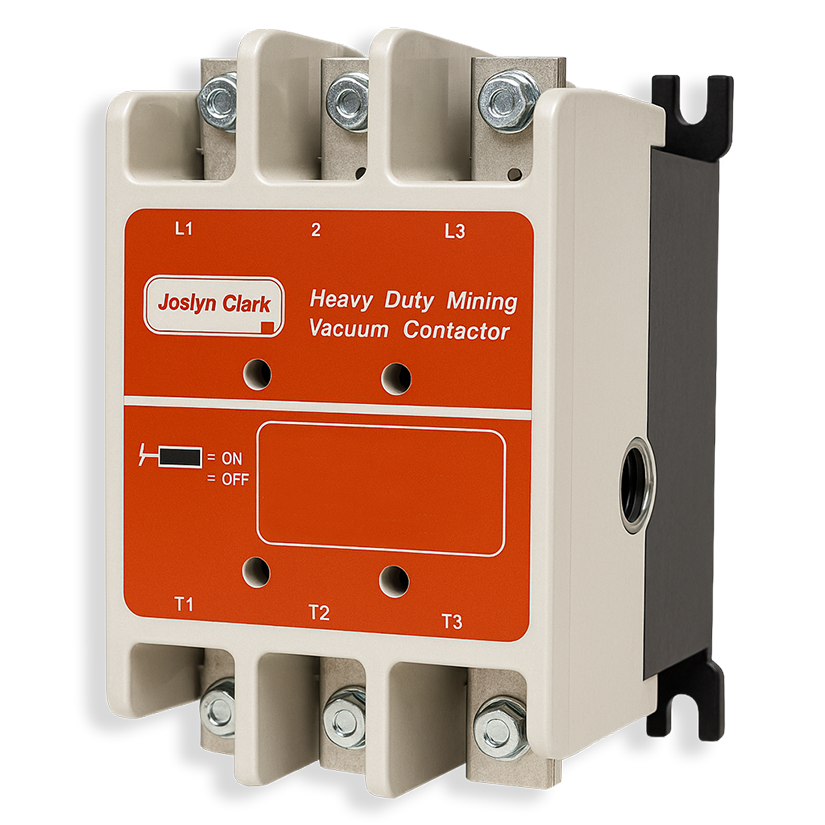
1140 Series
Heavy-duty vacuum contactors for motor starting applications where space is limited. Ideal for mining equipment, conveyors, power centers, and other demanding industrial systems. Durable, compact, and built for long electrical life.
View the 1140 Series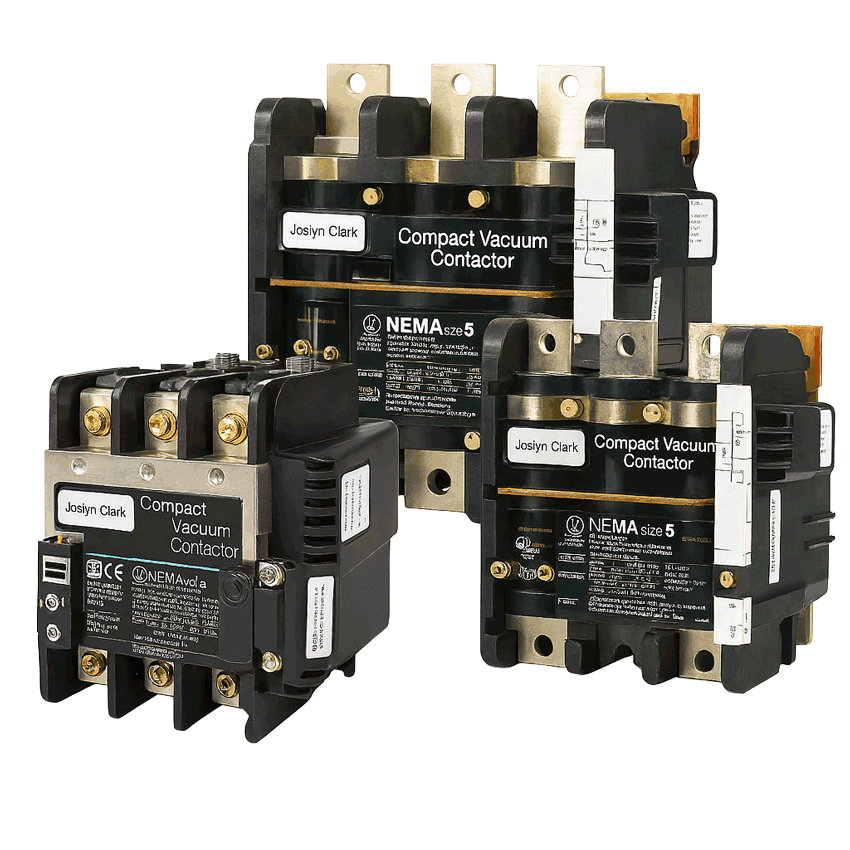
CV Series
Built for demanding industrial applications, CV Series vacuum contactors and starters provide a reliable replacement for air break contactors while reducing downtime and maintenance costs. Suitable for a wide range of motor applications, including IEC and NEMA Design E motors.
View the CV Series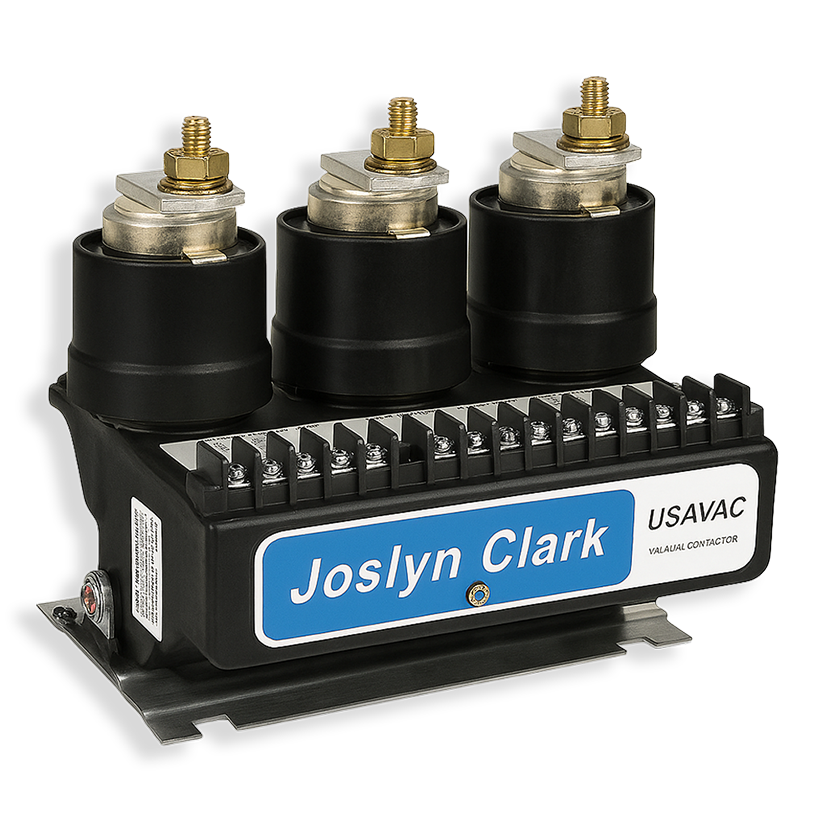
VC Series
Versatile and reliable vacuum contactors and starters designed for fast maintenance and dependable performance across a wide range of motor control applications.
View The VC Series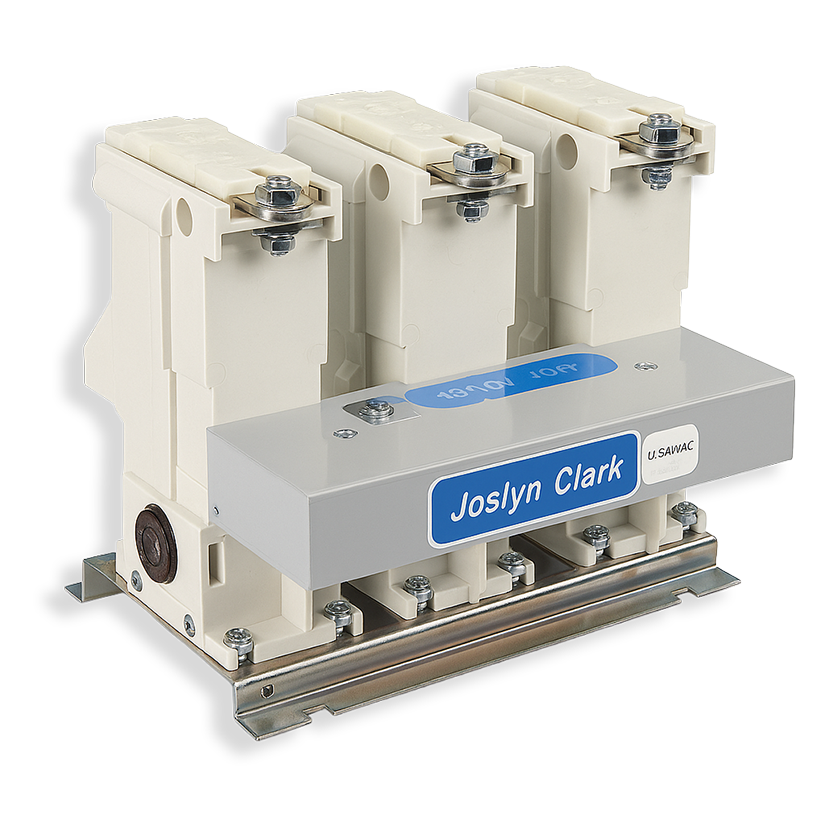
MVC Series
Compact, modular vacuum contactors designed for medium-voltage motor control applications, featuring simplified wiring, inspection, and maintenance.
View the MVC Series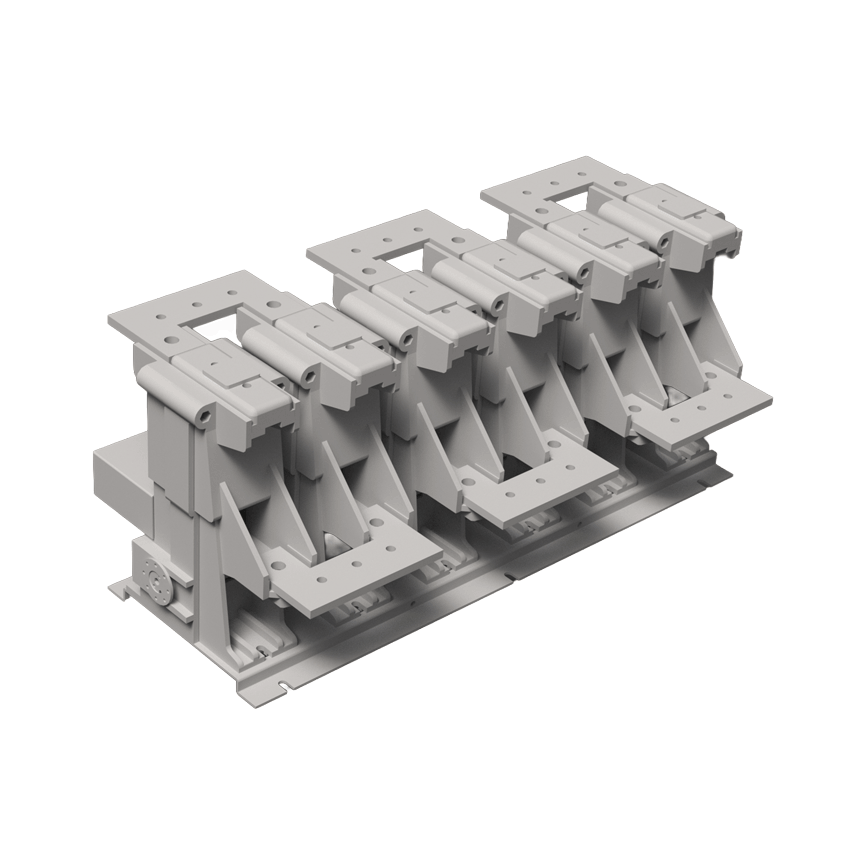
SVC Series
High-capacity vacuum contactors designed for demanding medium-voltage applications, delivering reliable switching power in harsh environments.
View the SVC Series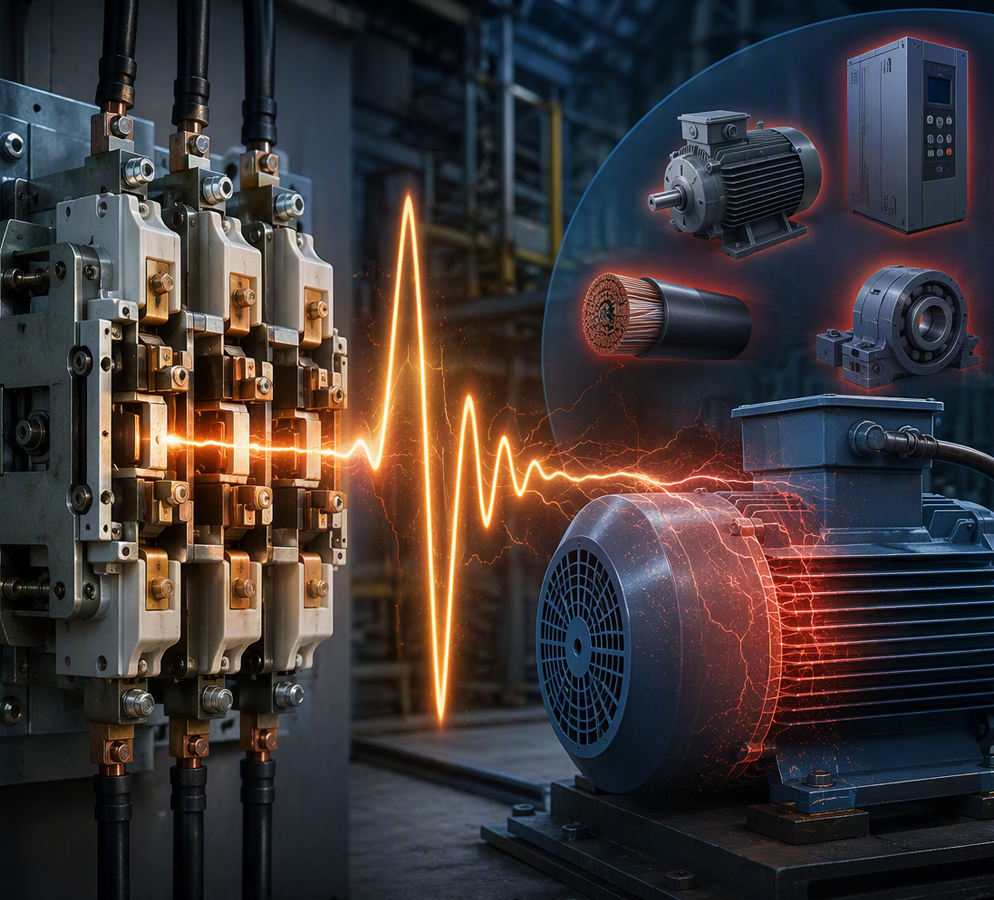
Understanding Switching Transients in Motor Control Systems
The hidden threat to motors, insulation systems, and electrical equipment and how Joslyn Clark vacuum contactors help reduce it. Industrial motor systems experience switching events thousands of times throughout their lifecycle. During these events, transient voltage spikes can occur, placing unnecessary stress on motors, insulation systems, drives, transformers, and other connected equipment.
In demanding applications, excessive switching transients can contribute to premature equipment degradation, unexpected downtime, and higher maintenance costs.
What Are Switching Transients?
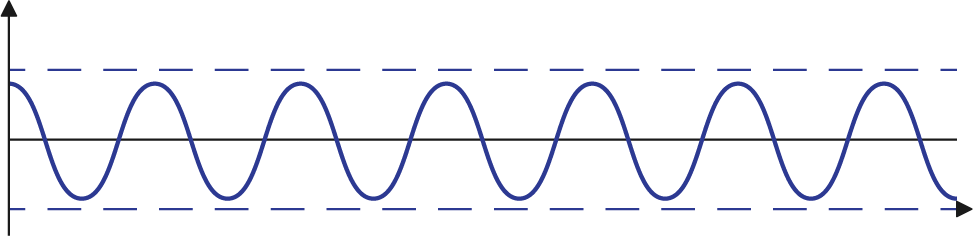
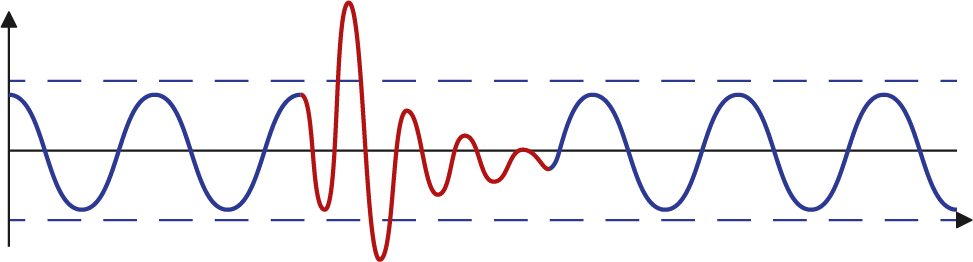
Switching transients are brief voltage spikes generated when electrical current is interrupted during switching operations. Although they occur in fractions of a second, these events can create voltage levels significantly higher than normal operating conditions. Over time, repeated transient exposure can accelerate insulation wear and increase stress on critical system components.
What Causes High Transient Voltages?

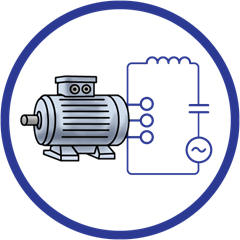
Current Chopping
When current is interrupted before it naturally reaches zero, stored energy in the circuit can generate elevated voltage spikes.
Circuit Characteristics
Motor inductance, cable length, and connected equipment can all influence transient magnitude.

Switching Device Design
Contact material selection and vacuum interrupter design play a major role in determining transient performance.
Why Current Chopping Matters
Traditional Vacuum Device
Higher Current Chopping

Higher Transients
More Equipment Stress
Joslyn Clark Vacuum
Contactor Lower Current Chopping

Lower Transients
Improved Equipment Protection
What This Means For You
Protect Motors
Reduce electrical stress placed on motor insulation systems.
Improve Reliability
Support consistent operation of critical production equipment.
Extend Equipment Life
Reduce long-term wear on connected electrical assets.
Lower Maintenance Costs
Minimize downtime associated with premature component failures.
Want to Understand Current Chopping in Greater Detail?
Learn how switching transients are generated, why some vacuum switching devices produce significantly higher transient voltages than others, and how contact material selection influences overall system performance.
Key Takeaways
✔ Fundamentals of current chopping
✔ Real-world transient calculations
✔ Contact material comparisons
✔ Equipment protection strategies
✔ Application recommendations
.png?sfvrsn=1901a587_0&MaxWidth=500&MaxHeight=500&ScaleUp=false&Quality=High&Method=ResizeFitToAreaArguments&Signature=EC4778ECA684809594DC28910A5E10BA0E59EC34 "Designer (40)")
Industry Rated Articles Written By Industry Leaders
.png?sfvrsn=6200a587_0 "Reversing Contactor Image")
REVERSING VACUUM CONTACTORS IN HEAVY DUTY APPLICATIONS
Many applications require reversing vacuum contactors to allow even wear of components within machinery. Learn how to specify a reversing vacuum contactor here.
Read More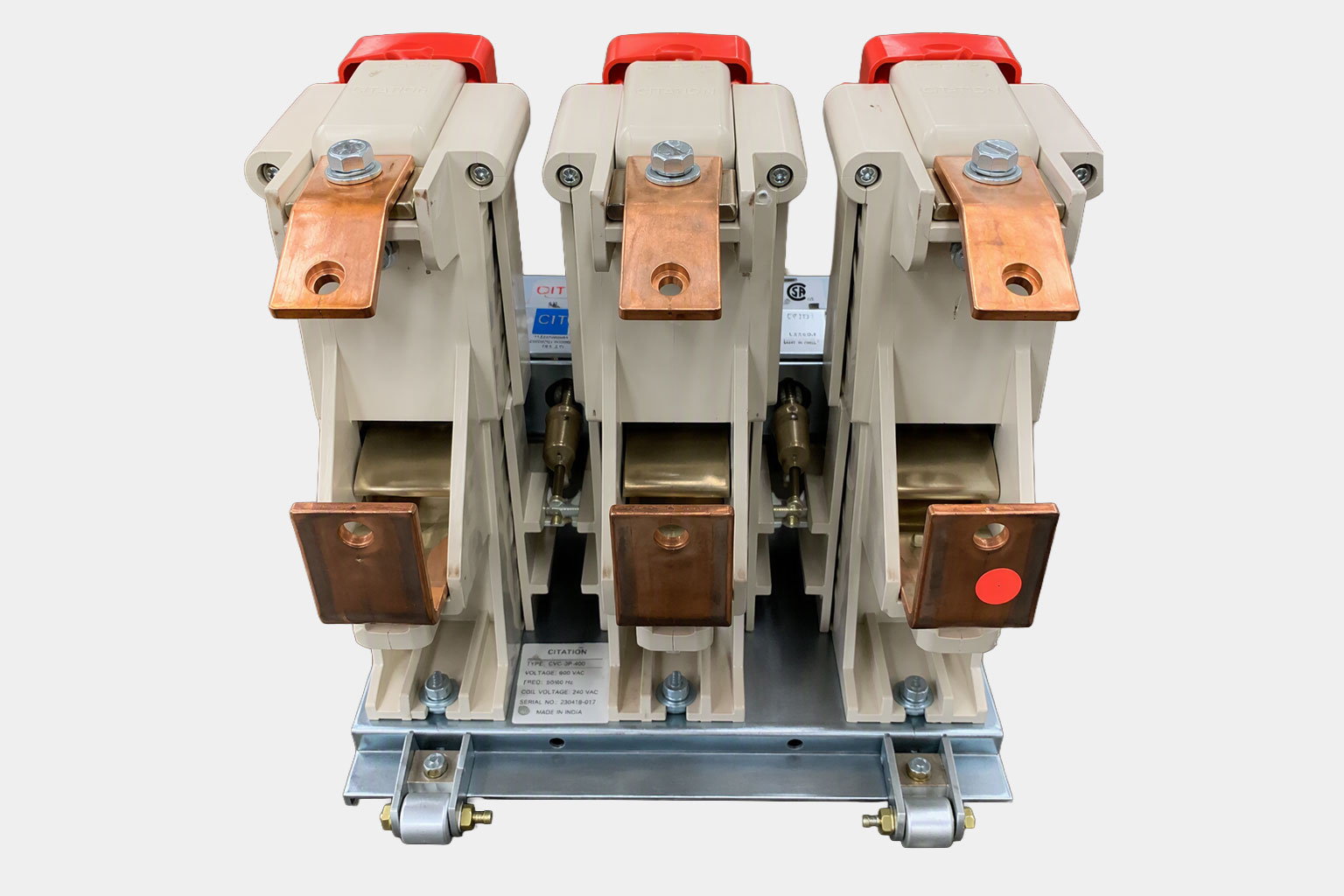
VACUUM CONTACTOR MOUNTING BEST PRACTICES
Vacuum contactors are mounted in confined cabinets where space is limited, and clearance requirements are in place for safety. Learn the best practices here.
Read More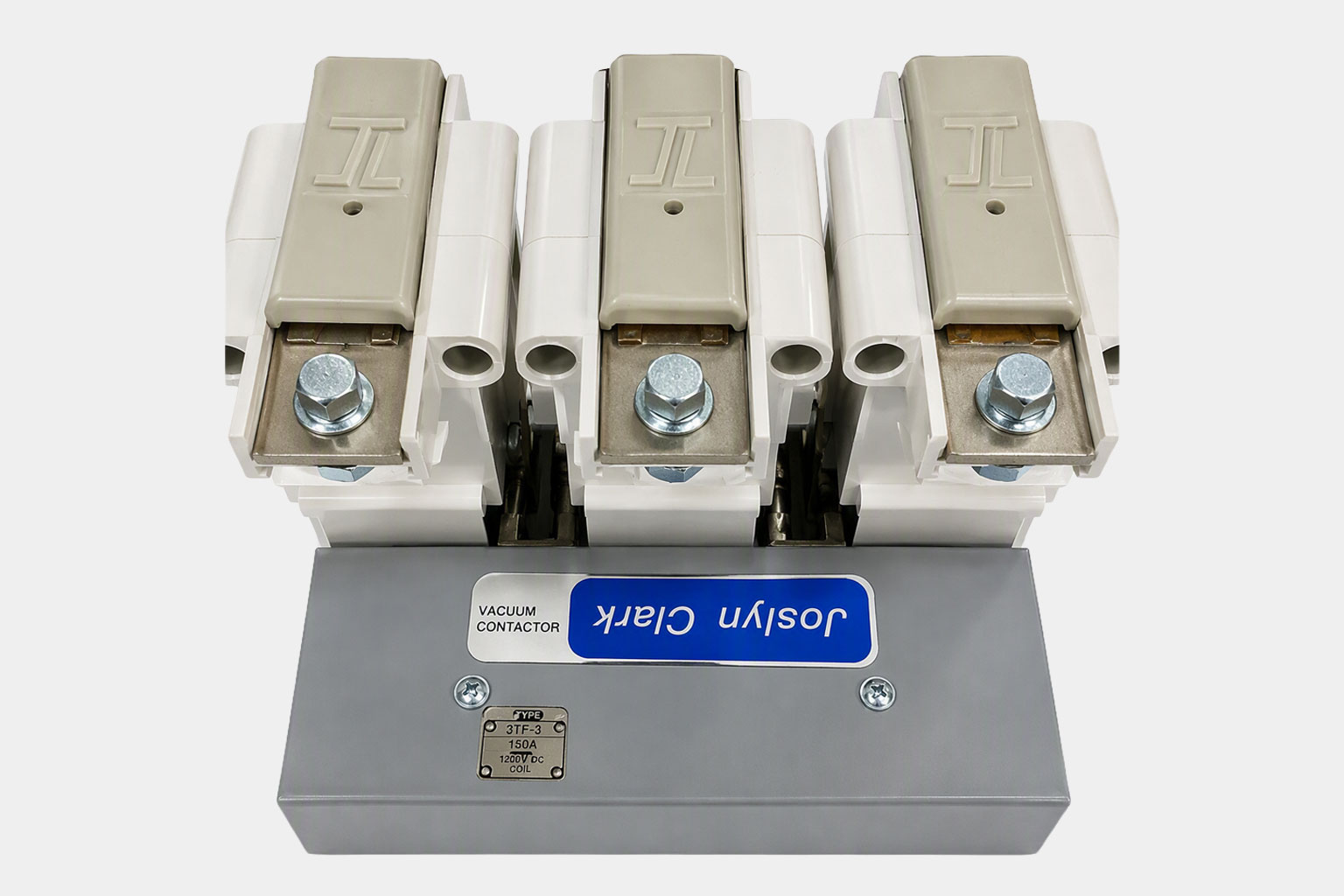
HOW TO MAINTAIN VACUUM CONTACTORS
Learn how to check a vacuum contactor’s dielectric strength and ability to interrupt high currents with a Hi-Pot test.
Read More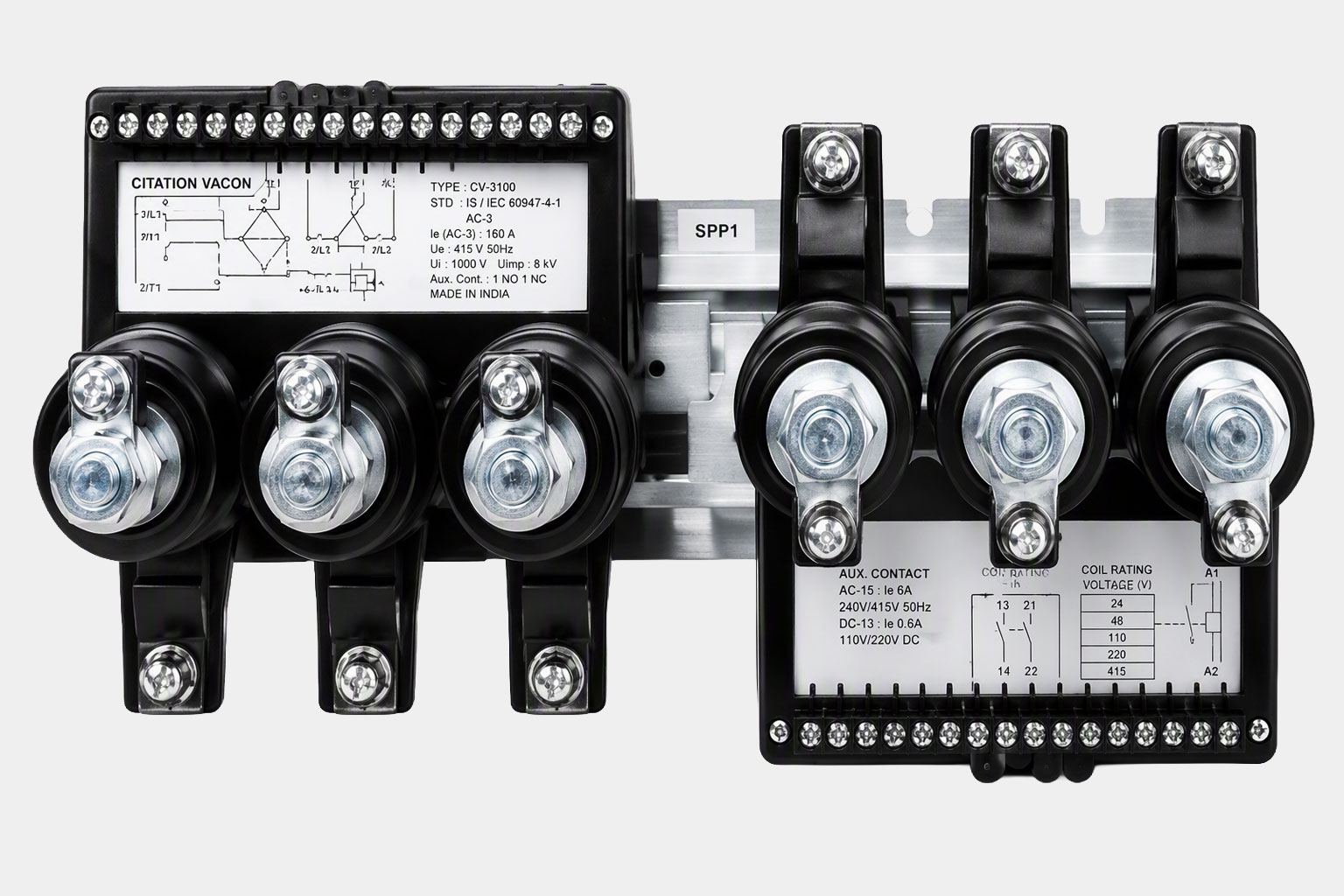
GUIDE TO VACUUM CONTACTOR LATCHING MECHANISMS
Vacuum contactors can be specified as mechanically latching, electrically held or mechanically interlocked. Learn how to decide between the latching mechanisms here.
Read MoreThe Best Certifications For The Most Challenging Environments
Certified and tested to meet the performance, safety, and regulatory requirements demanded by critical industrial applications.




Need Help Selecting the Right Vacuum Contactor or Starter?
Connect with a Joslyn Clark specialist and get expert guidance for your application.
Benefits
- Product selection assistance
- Application recommendations
- Technical support
- Pricing and availability
.png?sfvrsn=5f01a587_0&MaxWidth=500&MaxHeight=500&ScaleUp=false&Quality=High&Method=ResizeFitToAreaArguments&Signature=F410A0E420B8D1E672C9192647208261BFD2914F "Designer (40)")
Commonly Asked Questions About Vacuum Contactors
What is a vacuum contactor?
A vacuum contactor is a sealed environment where electrical contacts can make or break a connection between a power source and load inside a vacuum bottle. The vacuum provides a safe, clean environment where the arc can be contained and contaminants avoided.
What is the main function of a vacuum contactor?
The main function of a vacuum contactor is simply to make and break the connection between the power source and the load. One side of contactor is fixed and the other is movable. Once energized, the generated electromagnetic force pulls the movable contact toward the stationary contact and the spring pulls the contactors apart once de-energized. In a vacuum contactor, this process is contained within a vacuum bottle, which can contain the arc and keep contaminants outside.
What is the difference between a vacuum contactor and a vacuum circuit breaker?
Compared to vacuum circuit breakers, vacuum contactors are smaller in size and safer for higher voltages above 600Vs. Vacuum contactors offer lower current chopping and are well suited for applications with frequent switching, generally offering mechanical life of over 3 million operations.
